Community-driven creator awards, streamer trophies, and social influencer competitions have become major milestones for digital personalities. Winning an audience-choice award drives sponsorship value, industry recognition, and massive audience expansion. Because public ballots determine the outcomes of these prestigious events, competition among nominees is fierce.
As creator awards have grown in profile, contest platforms have upgraded their infrastructure. Modern event organizers no longer rely on simple web counters; they deploy sophisticated verification engines designed to filter out automated manipulation, duplicate ballots, and artificial traffic surges.
Understanding how creator award systems evaluate incoming votes is the most effective way to safeguard your community’s efforts and ensure every submitted ballot counts toward your final standing.
The Architecture Behind Creator Poll Engines
Major award shows and creator competitions typically host their voting infrastructure on specialized event platforms such as Gleam, Polldaddy (Crowdsignal), Typeform, or custom event-dedicated web applications.
These platforms implement multi-layered inspection systems that analyze traffic long before a ballot is officially recorded in the database:
Network Origin Analysis: Every submission request is checked against global internet registries to determine whether it originates from a commercial internet service provider (ISP), a mobile carrier data network, or a commercial datacenter.
Browser Canvas and Client Fingerprinting: When an audience member accesses the voting portal, client-side scripts gather technical telemetry, including screen resolution, GPU rendering profiles, installed browser plugins, and system fonts. This creates an identifier unique to the device.
Behavioral Dwell Time: Polling systems track user engagement leading up to the vote submission. Human users typically take several seconds to load the page, locate their favorite creator, and click the confirmation button. Immediate, automated interactions trigger instant rejection.
Why Fan Voting Marathons Often Trigger Shadowbans and Dropped Entries
Dedicated creator fanbases frequently organize voting marathons, encouraging supporters to refresh pages, clear browser data, or repeatedly click to boost their favorite creator’s tally. While motivated by genuine support, these marathons often backfire due to automated safety thresholds.
When fans cycle incognito tabs from home without changing their network route, the contest backend registers dozens of submissions originating from the exact same local IP address. To the platform’s anti-fraud algorithm, this pattern is indistinguishable from an automated script, leading to silent vote discounting or sudden retroactive deductions during official audit reviews.
IP Subnet Tracking vs. Social Account Authentication
Creator competitions generally enforce ballot integrity through one of two methods: open public polls with network restrictions or gated ballots requiring social authentication.
1. Open Public Ballots (IP & Subnet Tracking)
Open voting systems prioritize ease of entry to maximize public engagement. However, they enforce strict network validation. The engine logs the voter’s IP address and blocks further submissions from that same address or entire class C IP subnets for a specified window (typically 24 hours). Datacenter subnets, open VPNs, and free proxies are filtered out at the server edge.
2. Socially Gated Contests (OAuth Logins)
High-tier award shows often require users to connect a Discord, Twitch, Google, or X (Twitter) profile before voting. In addition to IP logging, these systems analyze social account telemetry, such as account age, follower counts, and activity history. Accounts created mere hours before voting begins are flagged as disposable assets and filtered from the final count.
How to Safely Mobilize Verified Votes Across Unique IP Networks
Winning an influencer or creator award requires a balanced strategy that pairs enthusiastic organic fan outreach with disciplined technical execution. Relying on chaotic, uncoordinated voting sprees risks triggering platform security flags that can damage a campaign’s standing.
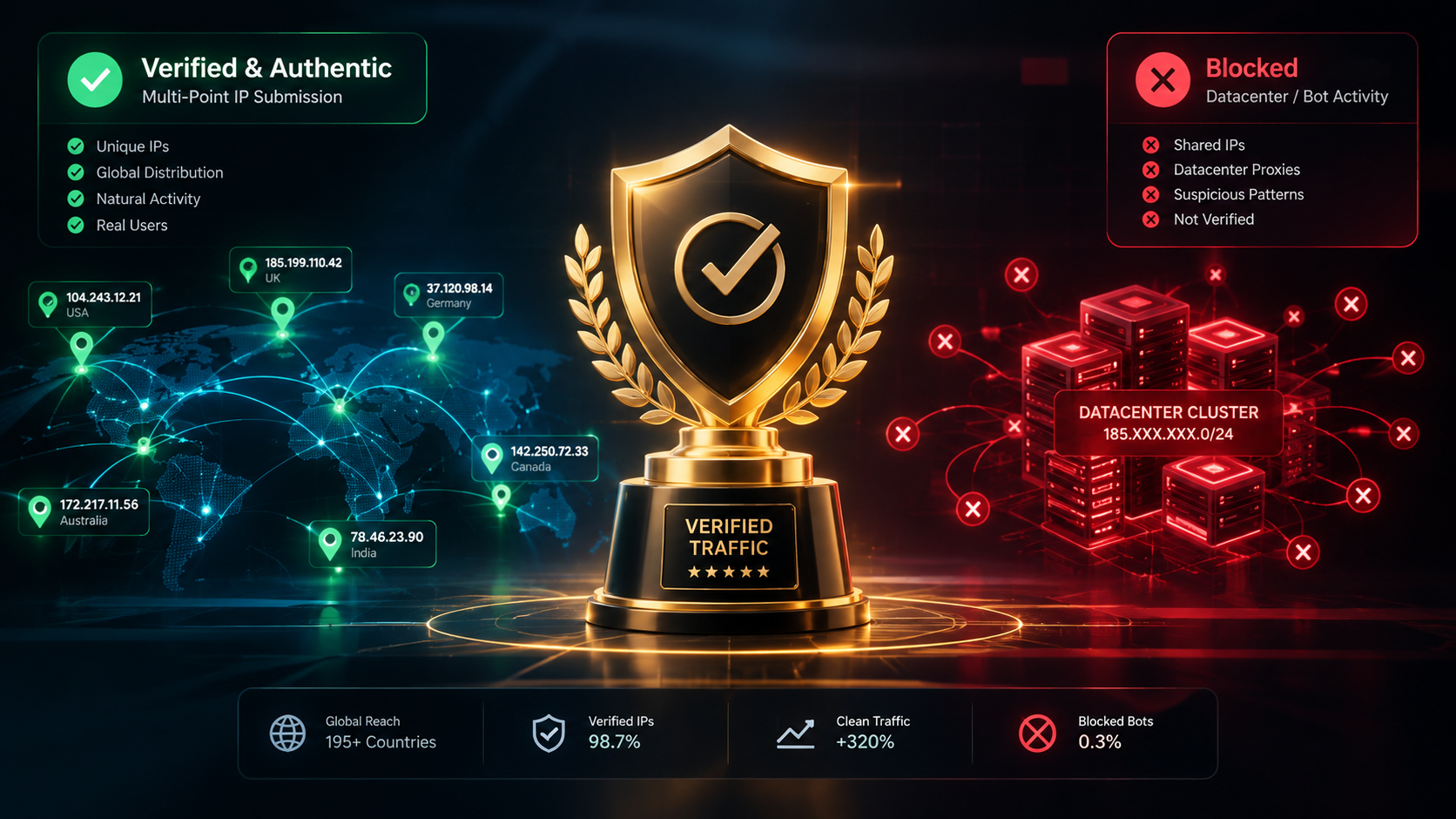
To ensure your campaign builds a sustainable lead that withstands administrative audits, submissions must come from authentic, geographically distributed connections. Deploying verified entries using genuine contest votes different IP addresses ensures that each ballot is routed through an isolated residential connection with natural browser telemetry.
By combining authentic audience excitement with verified, unique-network distribution, creators can protect their vote velocity, bypass duplicate submission filters, and comfortably secure their trophy at the finish line.